
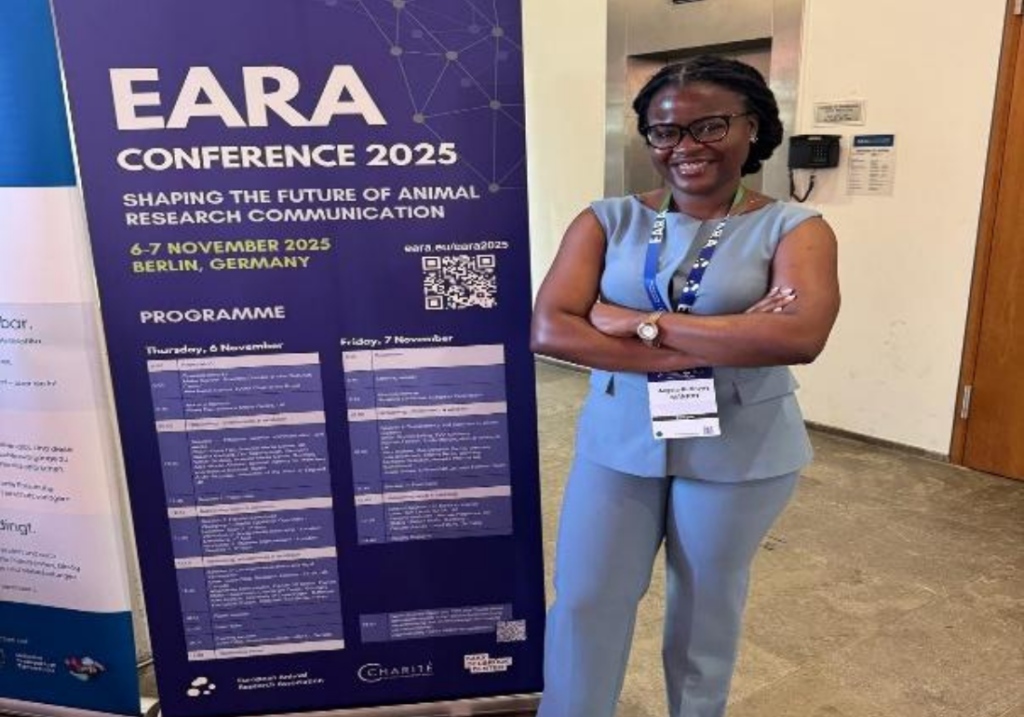
BSD Report – EARA Conference
During my studies in Wageningen, I had the opportunity to participate in several animal trials both at the university farm and other R&D farms, where I did my internship and thesis. I found these experiences interesting, and I often shared them with friends from other fields. However, during one of these conversations in which I explained how we conducted a trial using rumen-fistulated cows, I encountered some strong negative reactions. Also, simply discussing with some friends about housing animals for research purposes, I often got negative feedback.
Some people felt that this method was harsh and believed that using animals in general for research is cruel. Because I personally recognize the significant value that animal research has brought, and continues to bring, to many areas of society, and because I have also worked with animals myself for research, I know that these animals are handled with care and housed under favorable conditions. Their reaction, therefore, made me pause and reflect. I began to wonder how many others share these concerns, and how we might communicate this type of information more effectively so that society better understands the relevance of animal research and feels reassured that the animals involved are not mistreated.
Although I took a wide range of courses on animal care, welfare, and the importance of animal research, my studies did not cover how to effectively communicate the use of animals in research to the public, a topic that has become increasingly sensitive in today’s society. This gap, together with my personal experiences, sparked my interest and motivated me to seek opportunities to deepen my understanding of science communication within the context of animal research. During this search, I came across a LinkedIn post about the European Animal Research Association (EARA) 2025 Conference titled “Shaping the Future of Animal Research Communication.” The theme immediately caught my attention, and with the support of the BSD Scholarship, I was able to attend the first-ever EARA Conference in Berlin. The event, marking EARA’s 10th anniversary, brought together scientists, communicators, and professionals from the biomedical field to explore how to better engage the public in understanding the role of animals in research.
During the conference, a central theme was the importance of communicating science effectively, not only to justify the use of animals in research but also to help the public understand how this work contributes to medical and scientific progress in general. The participating speakers in their talks emphasized that open, fact-based conversations are essential to counter misinformation and strengthen societal acceptance of research practices, especially given that these studies are carried out under strict welfare and ethical standards. The opening day of the conference featured prominent speakers from the biomedical and life sciences sectors. They shared their experiences as well as the challenges they face when communicating the importance and necessity of using animals in research. Their discussions on how they address these challenges highlighted the importance of transparency and ethical responsibility, which have proven essential for building trust and improving the quality of dialogue between scientists and the public. Furthermore, some speakers shared steps taken to support this communication effort. For example, several research institutions have begun making YouTube videos that show animal caregivers at work handling animals, explaining their routines, and sharing their day-to-day experiences. These initiatives aim to increase visibility, demystify research practices, and show the level of care provided to the animals involved.
Relevance to the Field of Animal Nutrition
Although the conference primarily focused on biomedical research, the lessons learned are highly applicable to the field of animal nutrition. Research in animal nutrition often involves controlled studies with animals to improve efficiency, welfare, and health outcomes. Understanding how to communicate the ethical framework and scientific value of such research is crucial for public confidence and support. The sessions reinforced the importance of transparency in animal research communication, a principle that can be applied when explaining nutritional trials and their benefits not only for production animals but also for sustainability, food security, and animal welfare. By adopting the communication strategies discussed at EARA, professionals in animal nutrition can help bridge the gap between scientific research and public perception, ensuring that nutritional innovations are recognized as both ethically justified and beneficial to society.
Personal Reflections
Attending the EARA Conference gave me a broader perspective on how communication shapes the public’s understanding of animal-related research. I realized that effective communication requires empathy, clarity, and honesty, qualities that are equally important when discussing animal nutrition studies. This experience encouraged me to think critically about how to convey complex and sensitive scientific ideas to non-specialist audiences, a skill that will be valuable in both academic and professional settings. Considering EARA’s mission, to inform the public about the continued need for, and benefits of, the humane use of animals in scientific research, as well as the development of new approach methodologies, I noticed that the focus often lies primarily on animals used in biomedical research. This emphasis, however, unintentionally overlooks the large number of animals used in other research areas, such as livestock and nutritional studies. During the networking sessions at the conference, I had the opportunity to speak with one of the EARA team members. It was encouraging to learn that they are currently working on a project aimed at expanding their communication efforts to cover a wider range of research fields that involve animals, not just biomedical studies. I intend to contact the team again to exchange ideas and explore possible strategies for contributing to this effort.
One approach already practiced in the biomedical field, and which I believe could be highly beneficial if applied to farm animal research, is the organization of “open farm days.” Allowing the public to visit research farms and see firsthand how animals are cared for can help build trust and transparency. Additionally, during the conference, researchers were encouraged to make greater use of social media to share factual, accessible information. Although misinformation is common online, increasing the presence of credible researchers who communicate clearly about the role of animals in science could significantly improve public understanding.
Overall, the EARA Conference in Berlin was an inspiring and thought-provoking experience that enriched my academic development. Thanks to the BSD Scholarship, I was able to engage with experts at the forefront of research communication and reflect on how these insights can strengthen the connection between animal research, public engagement, and scientific progress.
![bsd report angela manjoh[3] foto 2](https://stichtingbsd.nl/wp-content/uploads/2025/12/BSD-REPORT-Angela-Manjoh3-foto-2-280x300.jpeg)
![bsd report angela manjoh[3] foto 1](https://stichtingbsd.nl/wp-content/uploads/2025/12/BSD-REPORT-Angela-Manjoh3-foto-1-300x272.jpeg)